

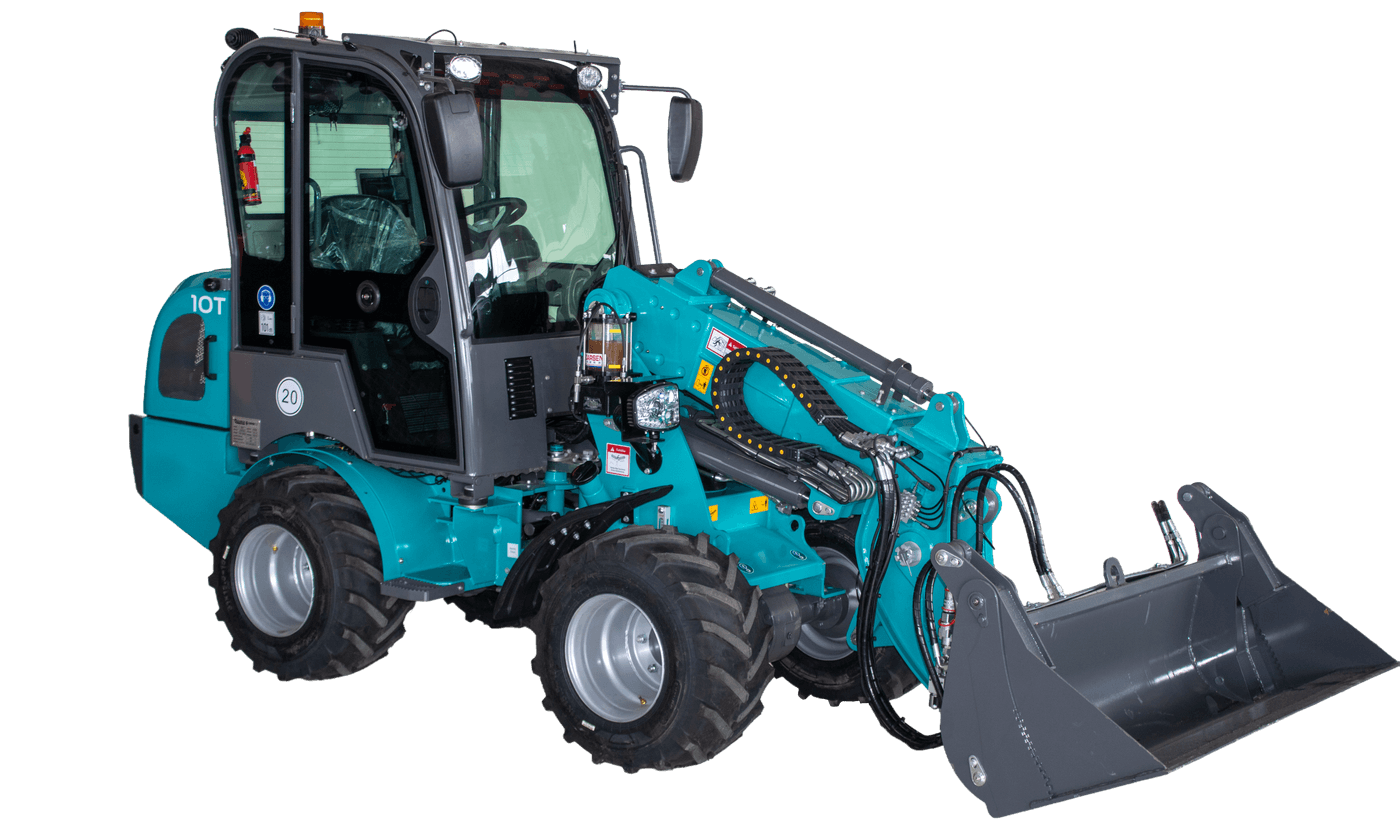
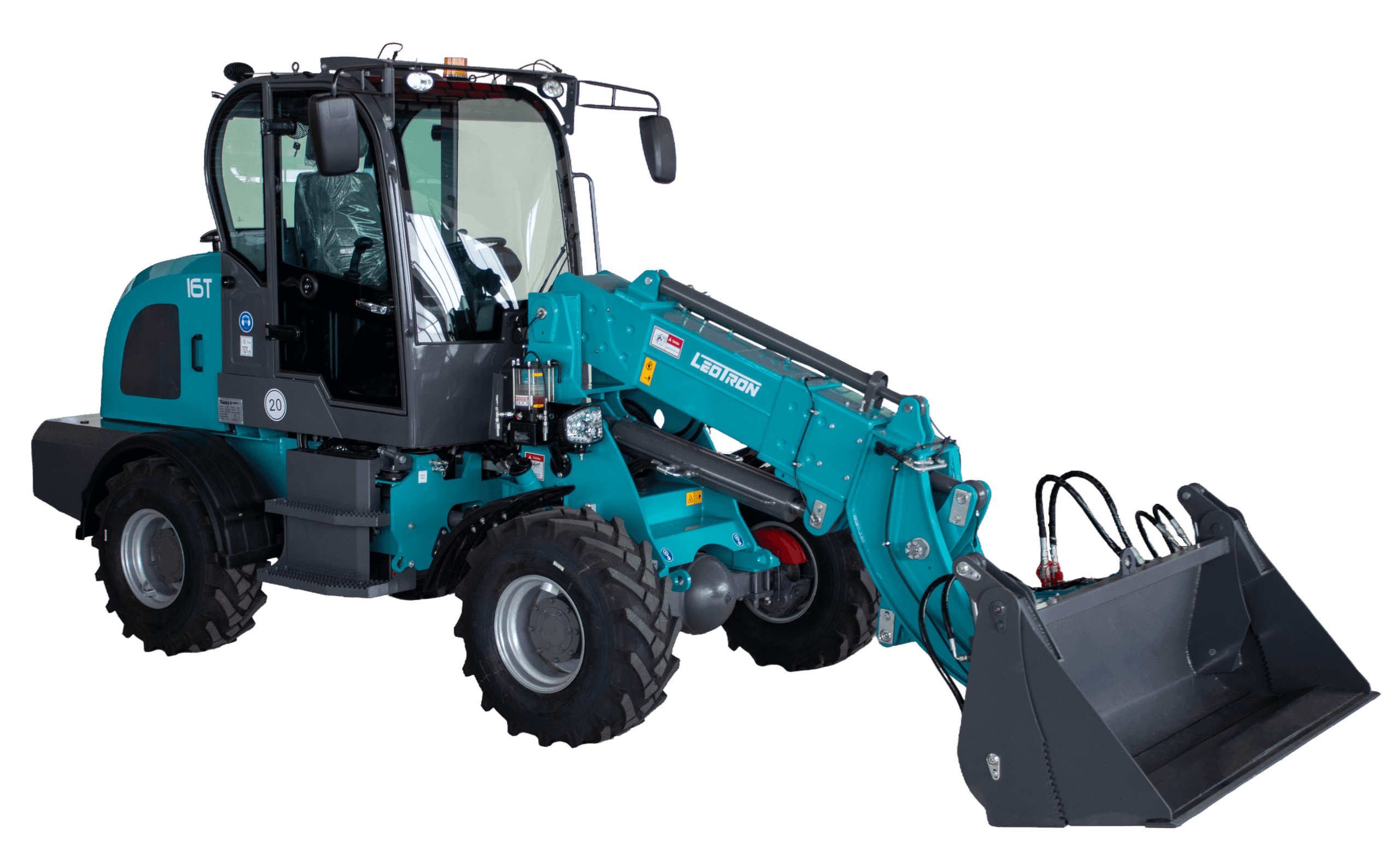
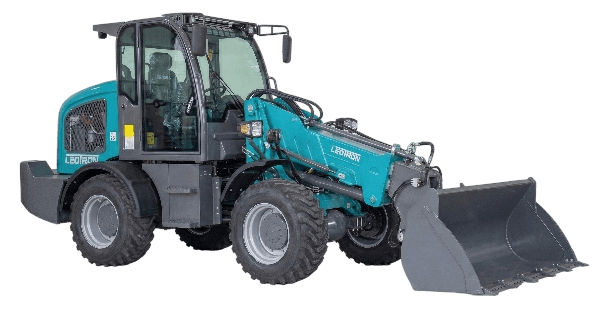
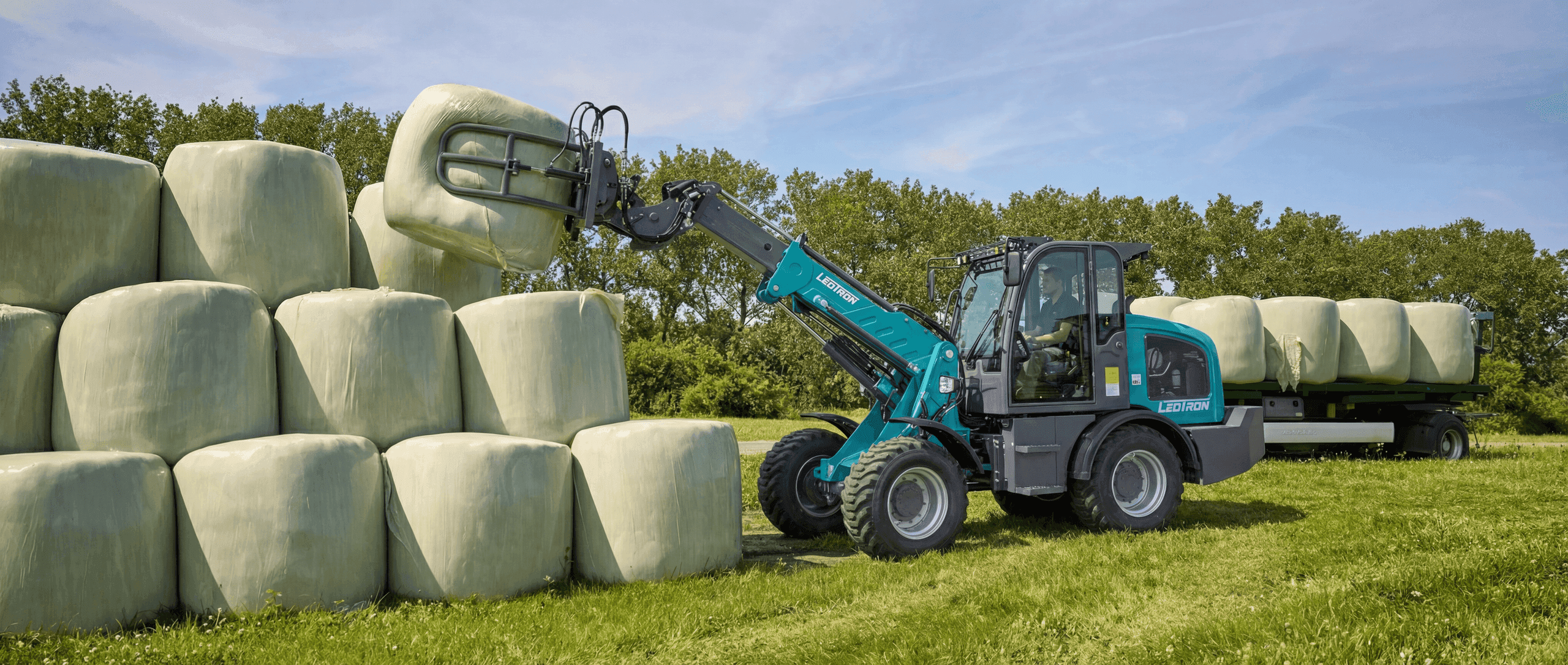
Some of the most frequently confused terms in the field are wheel loader, telescopic loader, wheeled telescopic loader, telehandler and backhoe loader. Although these machines come close to each other in some tasks, their working character, reach structure and role in operations are not the same.
For the right machine selection, first look at what the job is: loading, reach, stacking or excavation?
What is a wheel loader suitable for?
A wheel loader is a strong configuration for fast cycles, material flow with a bucket, on-site hauling and repetitive short-distance work. It is especially advantageous in these scenarios:
- loading feed, silage, fertilizer and grain
- hauling aggregate, sand and loose material
- stockyard organization
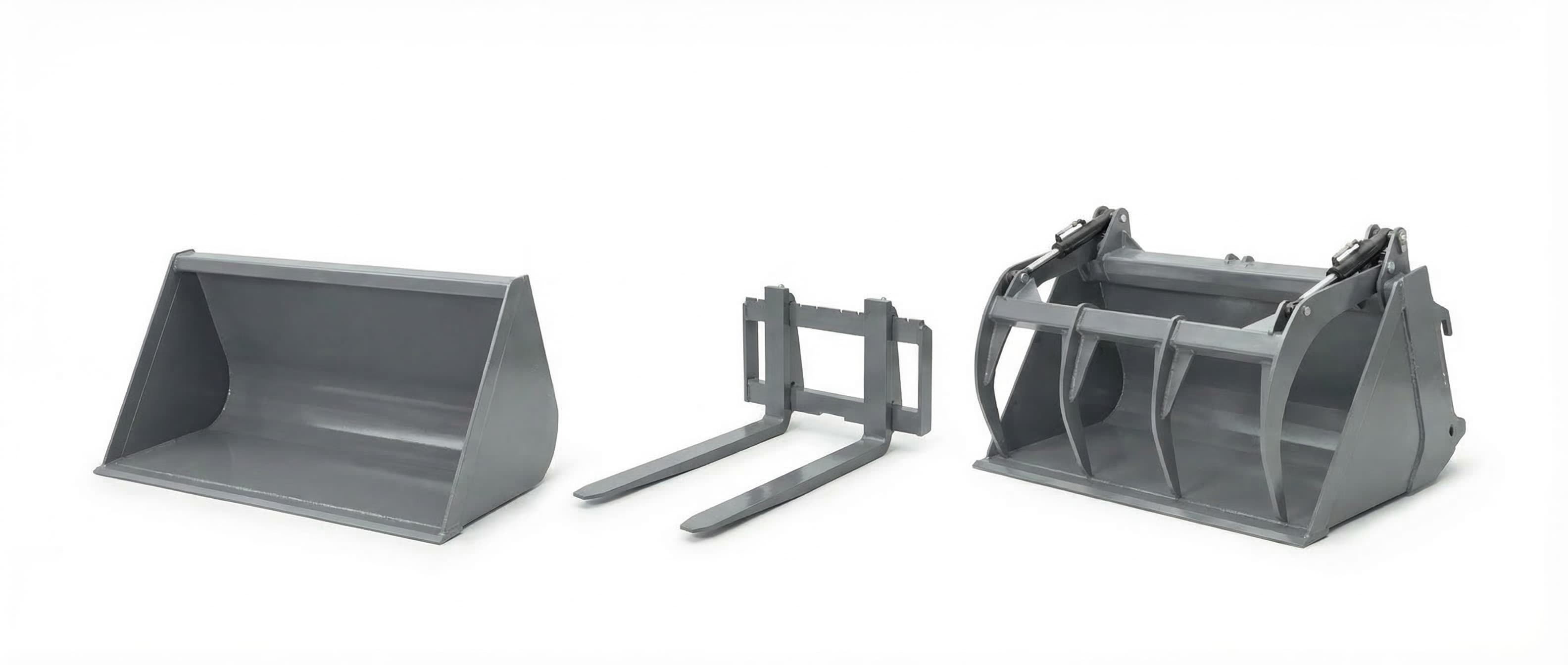
- versatile use with attachments suitable for pallet handling
If narrow-area agility and daily loading efficiency both matter, this configuration stands out.
When is a telescopic loader or telehandler needed?
The terms telescopic loader and telehandler are used with similar meanings in most markets. The main difference here is reach height and forward reach need. The telescopic configuration stands out for jobs such as:
- high stacking
- truck and trailer loading
- reaching upper levels inside a warehouse or on site
- safely placing a heavy load at a higher point
In short, if your job is not merely lifting but safely reaching further or higher, a telescopic solution should be evaluated.
What does wheeled telescopic loader mean?
Some users search for "wheeled telescopic loader". In practice, this term describes machines that offer telescopic reach on a wheeled chassis. So if both mobile site use and reach capability are wanted, this class makes sense.
Models like the M16T and M25T in the Leotron product range can be examined under this evaluation heading.
Where does the backhoe loader stand in this picture?
The backhoe loader has a machine logic of its own. With loading equipment at the front and excavation equipment at the rear, this structure is considered especially in scenarios where digging and excavation functions are required together. In some searches this term is mistakenly written as "backoe loader"; the correct usage is backhoe loader.
If your main job is:
- excavation,
- trenching,
- ground work with the rear equipment
then the backhoe loader may be the more relevant heading. However, if the main need is loading, stacking, pallet and attachment cycles, the wheel loader or telescopic loader belongs in a more correct comparison group.
How can you clarify the decision?
In the purchase process, these three data points need to be seen in the same table:
- typical load weight
- required maximum reach height
- daily cycle count
Once this table is clear, the question of "loading-focused", "reach-focused" or "is excavation also needed" is answered much faster.
Conclusion
Wheel loader, telescopic loader, wheeled telescopic loader, telehandler and backhoe loader should not be considered under the same heading. When the loading cycle, reach need and the excavation dimension of the job are separated, it becomes clear which configuration is more sensible. Selecting the machine by its job list rather than by name is the safest approach.
Machine type comparison table
Although these terms look close to each other in search results, they correspond to different jobs in the buying decision. In particular, telehandler and telescopic loader searches indicate a reach need, while wheel loader searches indicate a cycle and loading need.
| Machine type | Strong at | Misuse risk |
|---|---|---|
| Wheel loader | Short-distance loading and hauling | May be limited if high reach is required. |
| Telescopic loader / telehandler | High stacking, trailer and truck loading | May be oversized for a bucket-cycle-only job. |
| Backhoe loader | Excavation and trenching work | May not be the right class if the main need is loading. |
Even in misspellings like "backoe loader", the user is usually trying to clarify whether excavation or loading is needed. If the main job is loading and reach, telescopic loader models like the M16T and M25T belong in a more correct comparison group.