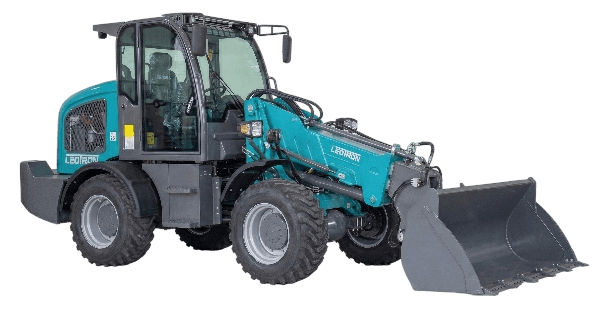
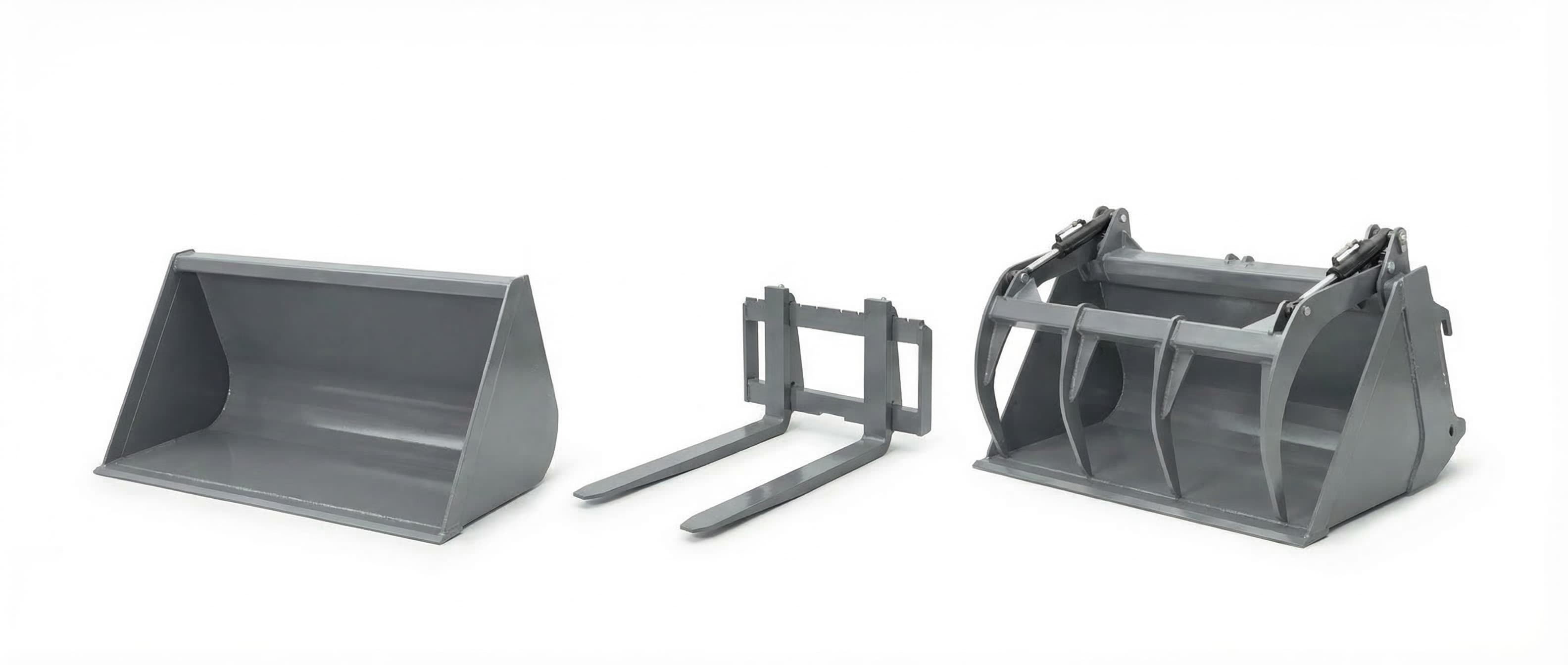
When investing in a wheel loader, engine power and lifting capacity are usually what people look at. However, the real hero that keeps the machine from bogging down in mud up to the axle, approaching with millimeter precision, or overheating in the busiest season is the transmission system.
The two systems most commonly encountered on the market, Hydrostatic and Powershift (Torque Converter Mechanical) transmissions may look similar on paper, but they have completely different characters in terms of operating comfort and field durability.
Hydrostatic Transmission: Millimeter Precision but Major Risk on Bad Ground
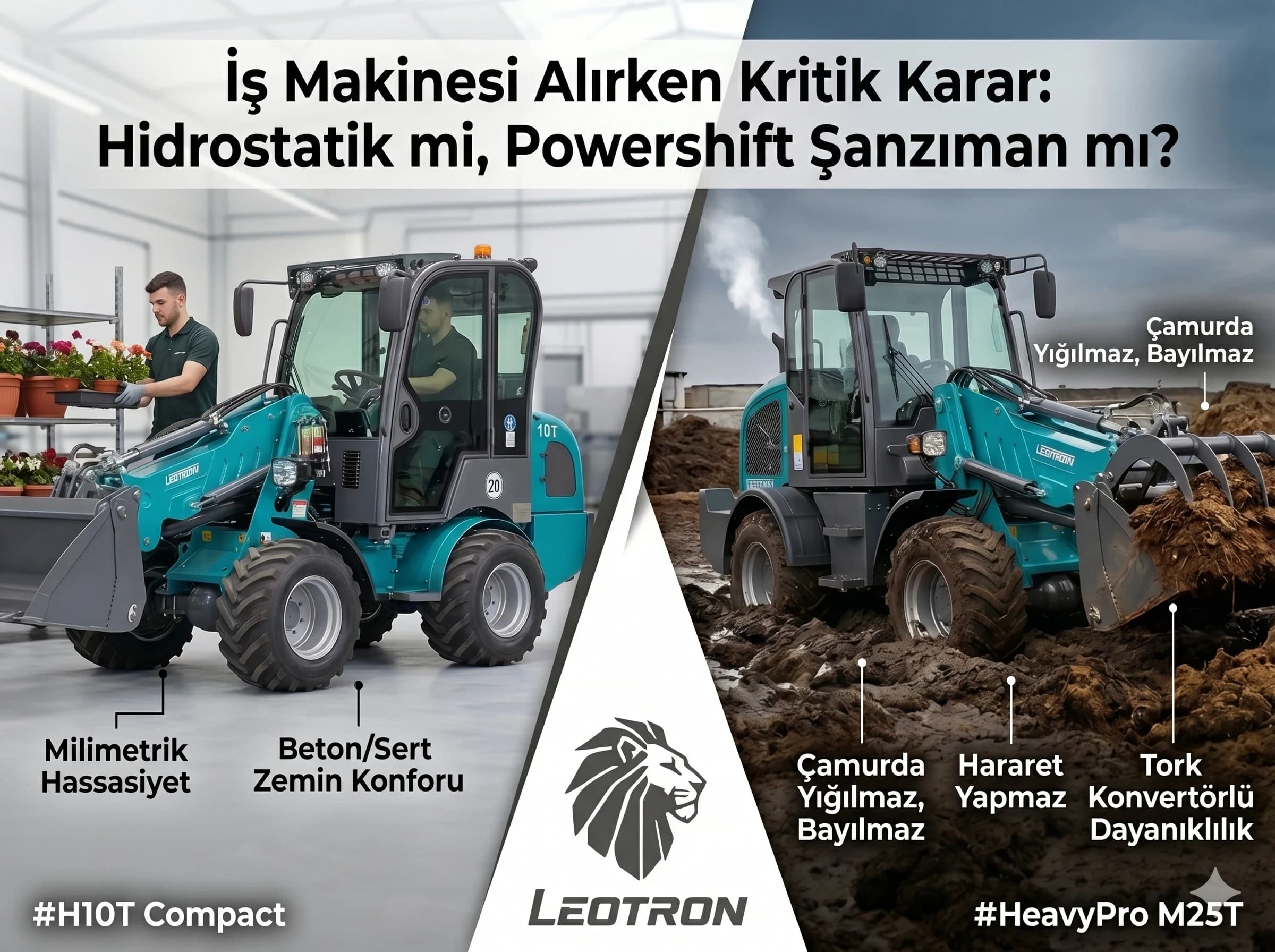
Hydrostatic systems transmit power through high-pressure hydraulic oil instead of mechanical gears. They provide remarkable comfort to the operator on concrete and hard surfaces.
- Millimeter Movement and Braking: There is no gear-shift jolt. You can make millimeter-precise approaches in narrow barn entrances or when stacking pallets. Also, when you take your foot off the throttle, the system cuts the hydraulic flow and brakes itself; you don't need to press the pedal.
- The Big Danger on Bad Ground (Slippage and Failure): The picture changes once the work enters "bad places" that are muddy, deep in manure or heavily uneven. On these tough surfaces a hydrostatic transmission struggles to transfer power to the wheels and the machine starts to slip. As the machine churns and slips in mud or manure, the hydraulic oil heats up very quickly and the machine overheats. This overheating leads to very serious and costly failures in the hydraulic pumps — the brain of the machine.
- That is exactly why, on sites with poor ground conditions, you should look at our models with a Powershift (Mechanical) transmission to eliminate failure risk and get uninterrupted power.
Powershift Transmission: The Real Solution for Bad Ground and Heavy Duty
When entering heavy mud, frozen ground or piled liquid manure, the resistance of the Powershift (Torque Converter Mechanical) transmission kicks in.
- No Heating Under Slippage, No Leaving You Stranded: The Powershift system locks power to the wheels through real steel gears and a torque converter instead of pushing it with hydraulic oil. Even if the machine slips in the worst bog or manure pile, the transmission oil does not boil and the system does not overheat and fail.
- High Breakout Force: In site excavation or heavy agricultural work, it lets the machine tear into the material without faltering (penetration). It is the undisputed winner on sites that genuinely demand "wrist strength".
Conclusion: Choosing the Transmission and Model Best for Your Need
The scale of your business and the ground structure of your site are the most fundamental factors determining which Leotron model you should choose. To make the right decision, you can evaluate these three options:
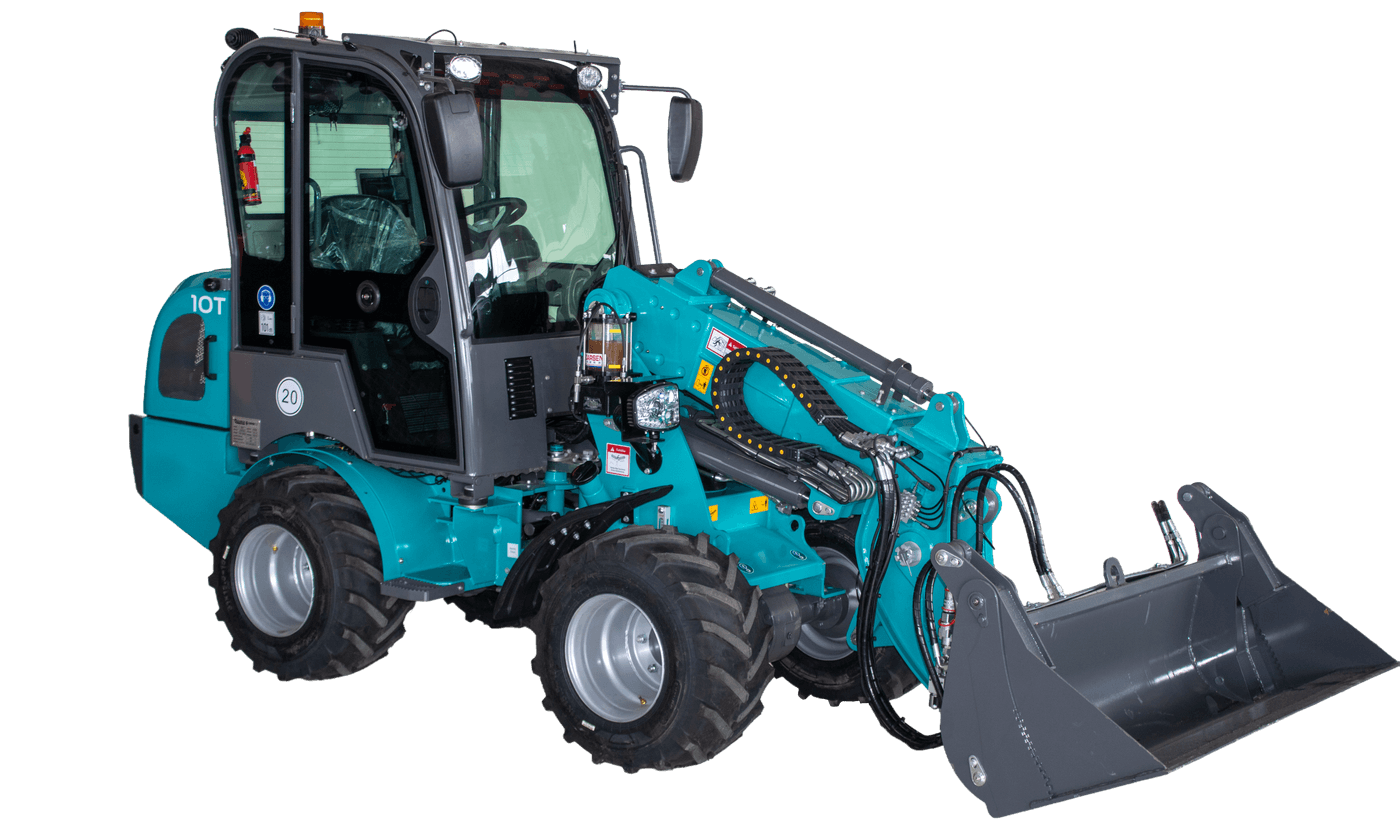
- For Tight Spaces and Precision Operations: For compact jobs requiring millimeter-precise approaches in your facilities with limited maneuvering area and concrete/hard ground, our Compact H10T model with hydrostatic transmission comfort is your most practical solution partner.
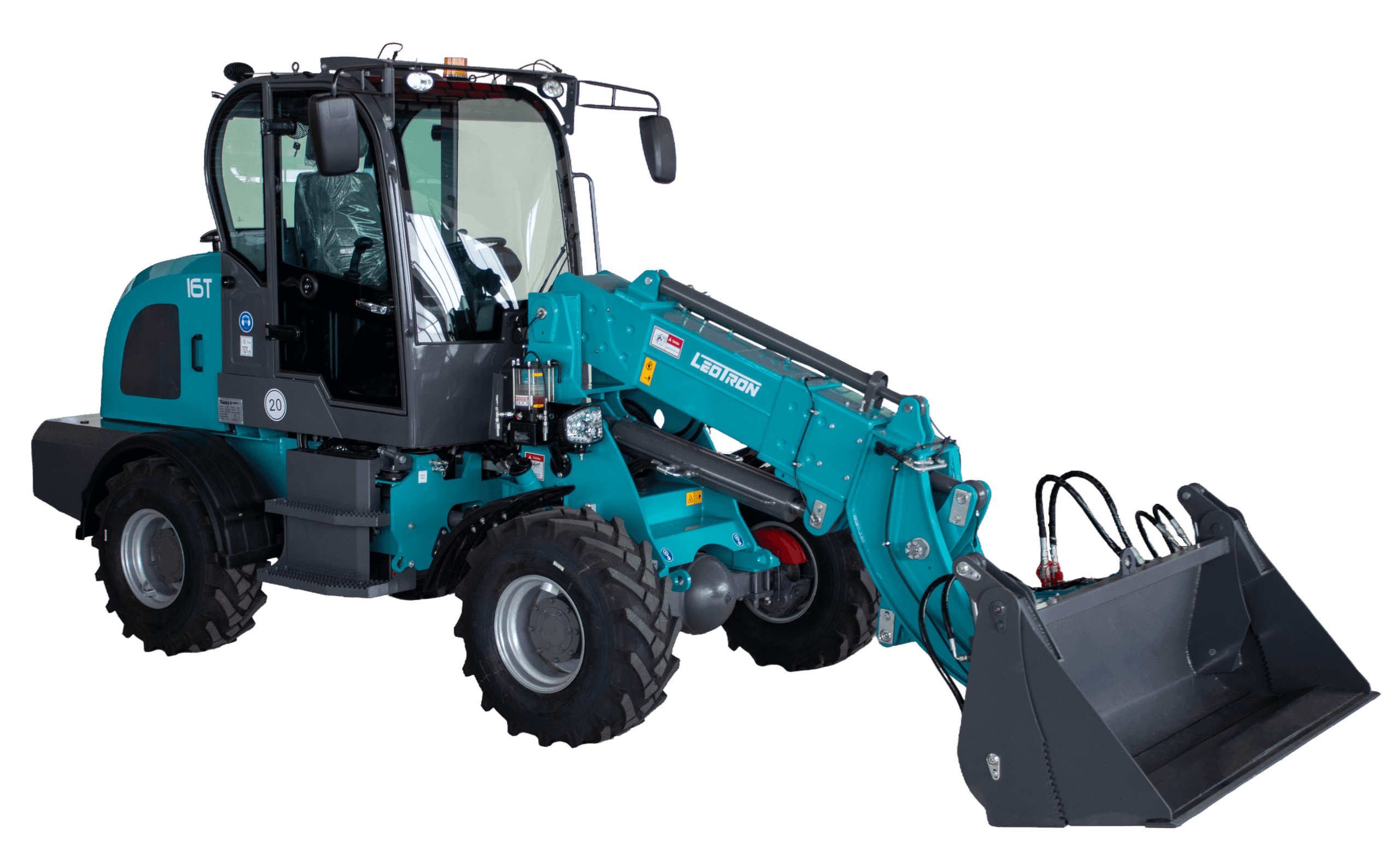
- For Multipurpose and Versatile Use: If you are looking for "flexible power" across a wide range from agriculture to logistics, from construction sites to farm work; our Multiflex M16T model, which offers the durability of the Powershift transmission and torque converter performance, is our most popular choice.
- For Heavy Duty and Maximum Power: In the toughest ground conditions, in deep mud and manure sites, if you are looking for an uninterrupted power center that carries the heaviest loads without any overheating risk; you won't leave your job to chance with our flagship HeavyPro M25T with Powershift transmission.
With the right transmission and the right model choice, both lower your operational costs and guarantee your continuity of work in the field. To determine which model suits your business better, you can contact our team whenever you like.